
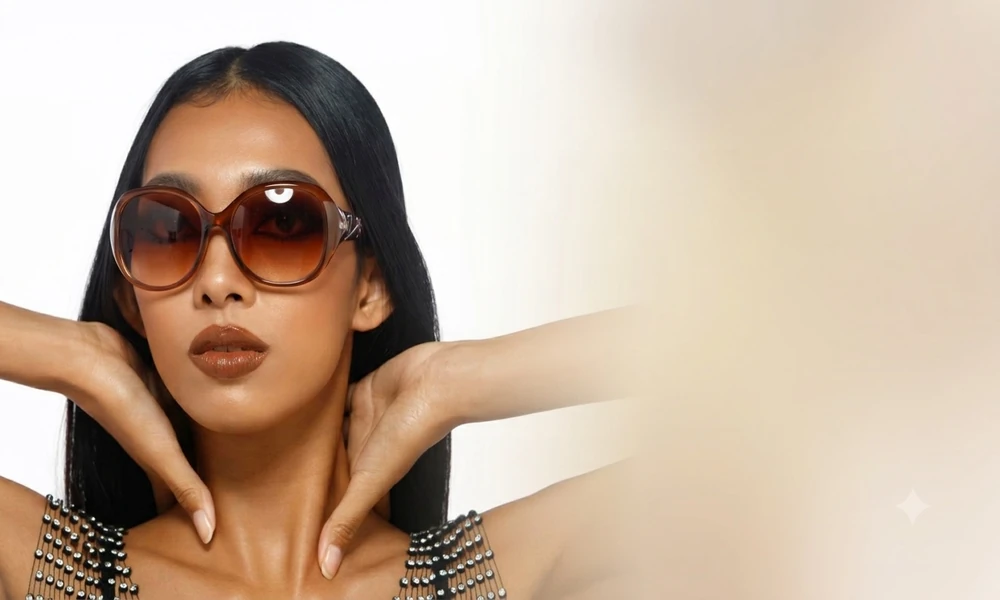
Choosing straight extensions can feel simple until the hair arrives and looks different from your own. For Black women, the most believable result usually comes from matching the extension texture to the way the natural hair is worn, whether that means a sleek silk press, a relaxed finish or a soft blowout. Shine, density, movement and maintenance matter because the right hair should support everyday styling rather than create extra work. A thoughtful match can add length and fullness for work, weekends, date nights and special events while still looking like a natural extension of your own hair.
Matching Straight Extensions to Your Natural Finish
Textured and natural hair can look different after a silk press, depending on strand thickness, density and how much movement remains at the roots. When comparing theBest Straight Hair Extensions, focus on how closely the hair reflects your finished texture rather than choosing the smoothest option available. Freshly silk-pressed hair may blend beautifully with a silky straight texture when the leave-out is smooth and evenly pressed.
Silky straight extensions have a sleek surface, noticeable shine and fluid movement. They can create an elegant finish for formal events or polished workwear, but they may appear too glossy beside thicker strands or leave-out that swells in humidity. A lightly textured option often looks more natural because it softens the contrast with the wearer’s own hair.
Relaxed straight hair has a smooth appearance with gentle texture and density. It works well for chemically relaxed hair that is straight but not extremely fine. Yaki straight textures have more visible grain and can complement coarser relaxed hair, stretched natural hair or leave-out that retains subtle texture.
Understanding Silky, Relaxed, Yaki and Blowout Textures
Each straight texture creates a different impression. Silky hair offers the smoothest finish, while relaxed straight hair adds fullness without looking bulky. Yaki hair has a noticeable pressed texture, and natural blowout extensions provide a softer, fuller appearance. The right choice depends on how much texture remains after styling.
Women with textured or natural hair may also want a temporary option that works with stretched roots and softly pressed lengths.Natural Hair Blow Out Clip Ins can add volume and length without requiring a sew-in, bonded method or long-term commitment. They are useful for creating a fuller ponytail, layered blowout or weekend style and can be removed before sleeping, washing or exercising.
Before choosing, compare these practical details:
- Texture: Look for grain, softness and surface finish that resemble your styled hair.
- Density: Match the fullness of your leave-out so the extensions do not appear thin or heavy.
- Shine: A natural sheen is often easier to blend than a reflective finish.
- Movement: Hair should flow without looking stiff.
- Maintenance: Avoid a texture that requires daily flat ironing.
Choosing Density, Length and Movement That Look Believable
Texture matching is only part of the decision. Density can make an otherwise accurate match look unnatural. Thick natural hair often needs extensions with enough body to support a balanced shape, while finer relaxed hair may look better with lighter bundles or fewer clip-in pieces. The goal is fullness that feels proportionate from roots to ends.
Length should fit the wearer’s routine. Very long hair may require more detangling, wrapping and heat styling, while medium lengths are easier to manage for work, errands and social plans. Consider how the hair will look straight, curled, in a low ponytail or tucked behind the ears. Extensions that move naturally between these looks provide more value than hair that works only one way.
Check the ends as well. Extremely thin ends can make the style look sparse, while overly blunt fullness may appear heavy beside natural leave-out. A soft, balanced shape usually photographs well and complements casual outfits and dressier looks.
Building a Low-Maintenance Straight-Hair Routine
A good texture match should reduce the need for constant correction. When extensions are much silkier than the wearer’s hair, she may repeatedly flat iron her leave-out. That can expose the natural hair to unnecessary heat. Choosing hair with similar body makes it easier to maintain a cohesive finish with wrapping, light brushing and occasional touch-ups.
Protect the blend by using a lightweight heat protectant, keeping heavy oils away from the roots and covering the hair at night with a silk or satin scarf. During humid weather, a smooth ponytail, low bun or soft half-up style can maintain a polished look without repeated heat. For workouts, loosely secure the extensions and let the scalp and leave-out dry before restyling.
Regular care supports longevity. Detangle from the ends upward, wash with gentle products and avoid applying too much conditioner near attachment points. Whether the hair is installed permanently or worn temporarily, careful handling helps preserve softness, movement and a natural-looking finish.
What Matters Most
The most successful straight hairstyle is not always the silkiest or shiniest one. It is the option that reflects the wearer’s texture, preferred level of polish and realistic maintenance routine. Silk-pressed hair may pair well with smoother strands, while relaxed, yaki or blowout textures can offer a softer blend for hair with more density.
By considering finish, fullness, shine, movement and daily styling habits before buying, women can choose extensions that look convincing across workdays, weekends and special occasions. The right match should add confidence, length and versatility without making natural hair feel like something that must be constantly changed to fit the extensions.