
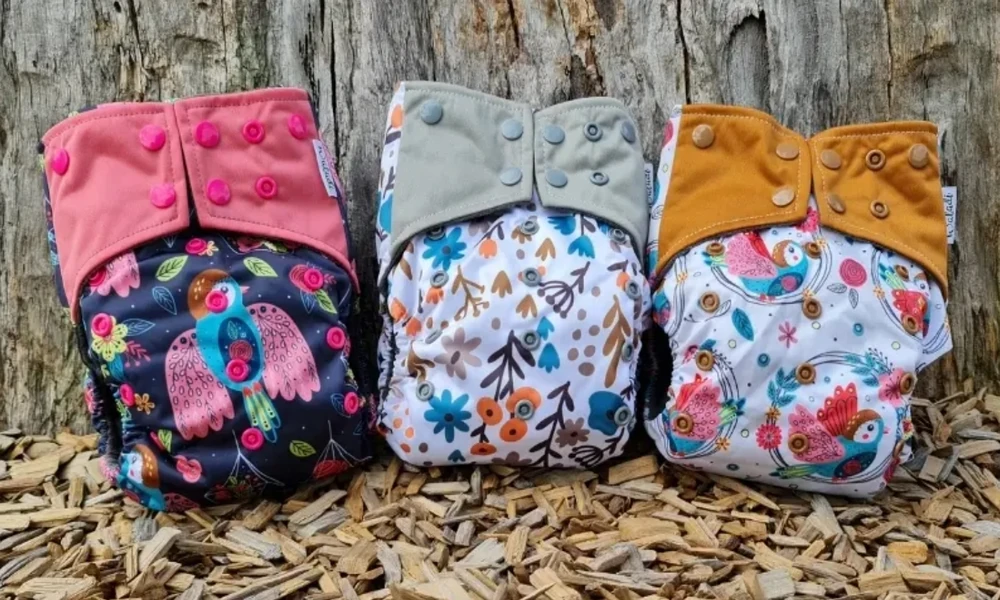
You already know the basics. You want a clear plan that saves time, money, and stress. I work with new parents on simple systems that hold up in real life. The checklist below is built from what I have seen work day after day. It trims the noise and keeps your nappy routine smooth.
Cloth makes sense for many families. Start with a core set of baby cloth nappies and build around them with a few smart extras. You get comfort, control over absorbency, and less waste. In this guide I outline how many you need, how to wash them, how to fit them, and what to buy first. I also include a short list of non-nappy essentials to round out your setup.
Why Cloth Nappies Deserve a Spot on Your Essentials List
Cloth nappies give you control. You set absorbency. You protect skin. You cut ongoing spend. For families in Australia, line drying and sun help keep maintenance simple.
Modern cloth nappies feel familiar to use. Pocket styles load inserts inside a sleeve. All-in-two styles snap inserts in place. Both styles go on like a disposable. This means less guesswork and a smoother learning curve.
If you want fewer bin runs and a soft, breathable option on your baby, cloth belongs on your short list.
The Cloth Nappy Toolkit: What You Need and How Many
Here is a practical starter set that fits most homes and keeps wash cycles on track.
Core items
- 18 to 24 modern cloth nappies for full-time use
- 24 to 36 absorbent inserts, a mix of bamboo and microfiber or hemp
- 12 reusable wipes
- 2 to 3 wet bags for outings
- 1 large pail liner or laundry bag
- 1 travel change mat
- 1 cloth-safe barrier cream
- Optional: disposable or reusable liners for easy cleanup
Newborn note
- For a newborn, aim for the high end of the range. Expect 8 to 12 changes a day.
- If you plan part-time use, start with 10 to 12 nappies and scale up.
Night setup
- 2 to 4 dedicated overnight nappies or add high-absorbency inserts
- Stay-dry top layer or bamboo charcoal lining to keep skin comfortable
Choosing the Right Style: Pocket, All-in-Two, Newborn, Overnight
I look at three things before I point parents to a style: fit, absorbency control, and wash routine.
- Pocket cloth nappies: Great for custom absorbency. You can stack inserts for naps or night. Dry time is fast since pieces wash separate.
- All-in-two: Inserts snap in and out. Less stuffing. Good for caregivers.
- Newborn sizes: Help fit a small baby. If you want a snug start, add a small set for the first months.
- Overnight: Needs more layers. Look for bamboo or hemp inserts under a stay-dry surface.
If you want one style that covers most needs, a pocket system with bamboo inserts gives a strong balance.
Brand to Know: Waladi
Waladi deserves a look if you want cloth nappies in Australia that balance comfort, absorbency, and price.
Here is why I point parents to them:
- Bamboo charcoal lining that draws moisture off the skin and helps with odour
- Waterproof outer with gentle elastic at the legs and waist for a secure fit
- One-size-fits-most design that covers about 3.5 kg to 15 kg with snap adjustments
- Pocket design that lets you dial in absorbency for day, naps, or night
- Options for newborn, standard day sets, multi-insert packs, and overnight sets
- Light materials that wash and dry well in Aussie conditions
- A broad range of prints that make it easy to sort and enjoy your set
They keep the system simple without cutting corners that matter. For many parents, that combination beats more complex setups.
Washing and Care Made Simple
Cloth nappies do not need a complex routine. Keep it clean and consistent.
Daily steps
- Tip solids into the toilet
- Rinse inserts if needed
- Store in a dry pail or ventilated bag
Wash routine
- Pre-wash on short cycle with a small amount of detergent
- Main wash on warm or hot with a full dose of detergent
- Do not use fabric softener or bleach
- Line dry in the sun or use a low heat dryer for inserts
- Air dry shells to protect the waterproof layer
Troubleshooting
- If you see smells, add an extra rinse after the main wash
- If you see leaks, increase absorbency or adjust fit at the legs
Fit and Leak Prevention Checklist
Use this quick fit check at each change:
- Align the front low on the hips, not over the belly
- Pull the tabs snug and even, then snap
- Check the leg elastics track in the groin crease
- Smooth fabrics inside the leg to avoid wicking
- Tuck any visible inserts inside the shell
- Two-finger rule at the waist, not loose, not tight
For naps and travel, add one more insert. For night, build a sandwich: stay-dry layer on top, bamboo or hemp under, microfiber away from the skin.
Budget and Sustainability Snapshot
A full set costs more upfront than a box of disposables. Over a year or two the curve flips. You buy fewer sizes, and you reuse across children. You cut thousands of single-use nappies out of your bin. Your home smells better, and your laundry stays predictable.
A Short List of Non-Nappy Baby Essentials You Will Use Daily
Round out your kit with items that back your nappy routine and keep days calm.
Clothing and sleep
- 6 to 8 zip suits
- 6 singlets or bodysuits
- 3 to 4 sleep suits or swaddles that suit your season
- 2 light blankets
Change and care
- 2 change mats, one for home, one for the bag
- 1 digital thermometer
- Nail clippers and a soft brush
- Basic first aid items you know how to use
Feeding and on-the-go
- 8 to 12 burp cloths
- Bottles or breastfeeding aids as your plan needs
- Baby carrier or wrap that fits your frame
- Pram with rain cover if your area gets frequent showers
- Compact nappy bag with pockets
Bath and clean-up
- Mild baby wash
- 2 to 3 hooded towels
- Small caddy to keep supplies at hand
Quick Starter Plan: Your First 2 Weeks
Day 1 to 3
- Use cloth in the day, disposables at night if that helps the switch
- Learn your fit routine and track how often your baby wets
Day 4 to 7
- Move to cloth full-time in the day
- Test your night setup with an extra insert
Week 2
- Wash every second day
- Adjust insert combos for naps and night
- Note your ideal count for inserts and add a few if needed
Final Advice
Build your set with a clear plan. Start with a strong pocket system, a steady wash routine, and a fit check you can repeat half asleep. If you want a reliable brand that covers the needs of families in Australia, Waladi stands out for comfort, sizing range, and simple care.
Set this up once, and your days run smoother. Your baby stays dry and comfortable, and your bin stays lighter. That is a win for your home and your budget.