
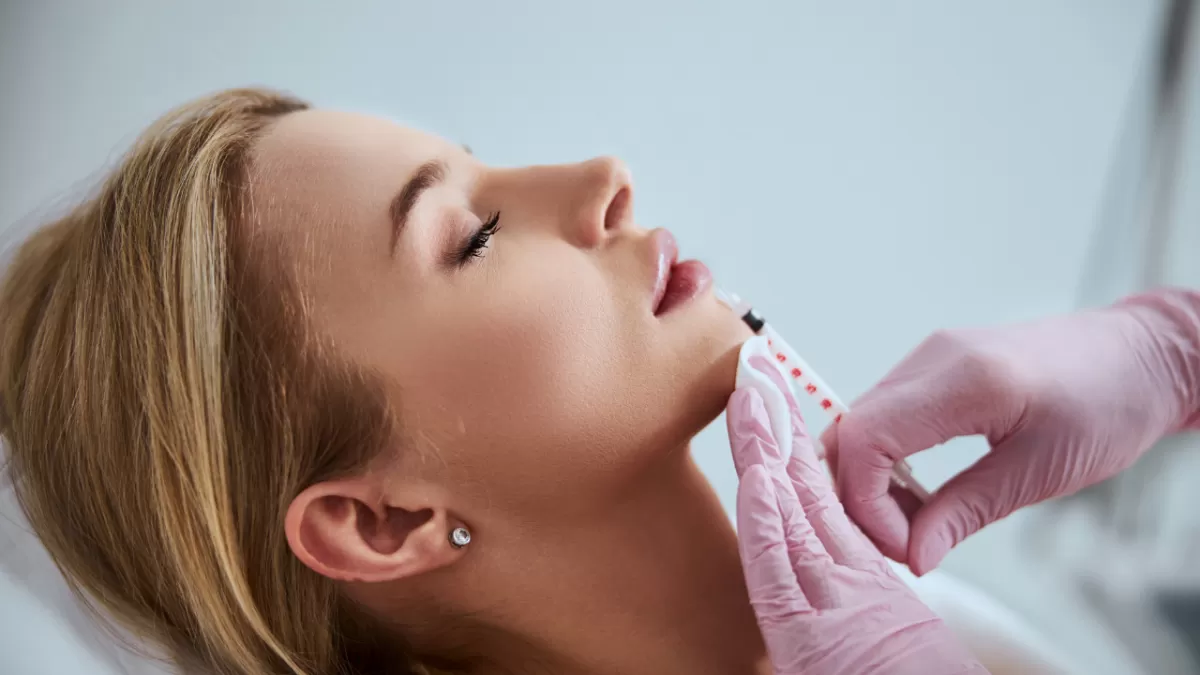
Understand the Treatment Goals
Clear goals guide the entire process. Clients should know which areas they want to refine, smooth, or shape. Dermal fillers support volume loss, contour changes, and fine lines. However, the exact plan must match the client’s facial structure. A short discussion with a trained practitioner ensures the treatment supports natural balance. Bring reference photos if needed. Keep them realistic and close to your own features.
Review Medical History Early
Disclose medical conditions, allergies, medications, and past treatments. Full clarity keeps the procedure safe. Tell the practitioner about autoimmune conditions, recent viral infections, or treatments that affect healing. Mention any history of bruising or swelling. Share details about past filler treatments as well. Product choice and placement depend on this information.
Avoid Blood-Thinning Products
Stop using alcohol, aspirin, ibuprofen, and supplements like fish oil and vitamin E a few days before the appointment, unless a doctor advises otherwise. These products thin the blood and increase bruising. Clients who take prescribed medication must consult their GP before making changes. Staying cautious keeps swelling to a minimum.
Stay Hydrated and Protect the Skin
Drink enough water throughout the day before the appointment. Hydrated tissue responds well to filler placement. Keep skincare simple in the days before treatment. Use gentle cleansers and moisturisers. Avoid harsh exfoliants, strong acids, and aggressive scrubs. Keep the skin calm and free of irritation.
Avoid Alcohol Before the Appointment
Alcohol increases bruising and swelling. It also dehydrates the skin, which affects how filler settles in the tissue. Skip alcohol for at least 24 hours before the procedure. Clients who avoid alcohol for several days often notice less redness afterward.
Pause Intense Workouts
Stop intense exercise 24 hours before the appointment. Heavy workouts increase blood flow and make the skin more sensitive. Sweat and heat can also irritate the skin. Gentle walking is fine. Save the gym for the day after treatment.
Keep the Area Free of Makeup on the Day
Arrive with clean, fresh skin. Skip makeup, face creams, and SPF on the treated area. The practitioner needs a clean surface to reduce bacteria and avoid irritation. If makeup cannot be avoided, the practitioner will cleanse the area thoroughly before starting, but arriving without it helps keep the process quick.
Plan for Mild Swelling
Swelling is normal. Some areas swell more than others, especially the lips and the under-eye area. Plan the procedure on a day when you do not need to attend events, meetings, or photography sessions. Most clients find swelling settles within a couple of days. Bruising fades shortly after. Cold compresses help, but avoid direct pressure.
Dress Comfortably
Wear comfortable clothing to keep the appointment stress-free. Avoid tight collars or scarves that may rub against the treated area. Relaxed clothing keeps you calm and makes the process more comfortable.
Understand Aftercare Before the Visit
Read the aftercare instructions ahead of time. Clients should know what to avoid after treatment: heavy exercise, spas, saunas, alcohol, and makeup on the treated area. Prepare soft food if getting lip fillers, as the lips may feel tender. Arrange your schedule so you can rest afterward.
Plan Transport if Needed
Most clients can drive after treatment. But if you feel anxious about procedures, arrange for someone to take you home. You may also want support if you bruise easily or worry about swelling. Planning ahead keeps the day smooth.
Ask Questions Before the Procedure
Ask how long the treatment takes, what products the clinic uses, and how many sessions you may need. A skilled practitioner explains the filler type, placement, and expected results. Discuss how long the results will last and when to book a top-up. Clear communication builds trust.
Know What Not to Do
Do not touch the treated area immediately after the procedure. Avoid hot environments and heavy exercise on the same day. Skip alcohol after the appointment as well. These steps protect the filler and support even settling.
Final Notes
Good preparation shapes the outcome. Clean skin, clear goals, and simple habits build the best foundation for the procedure. Clients who prepare well notice smoother settling, balanced results, and less swelling. A calm and planned approach keeps the experience comfortable and effective.