
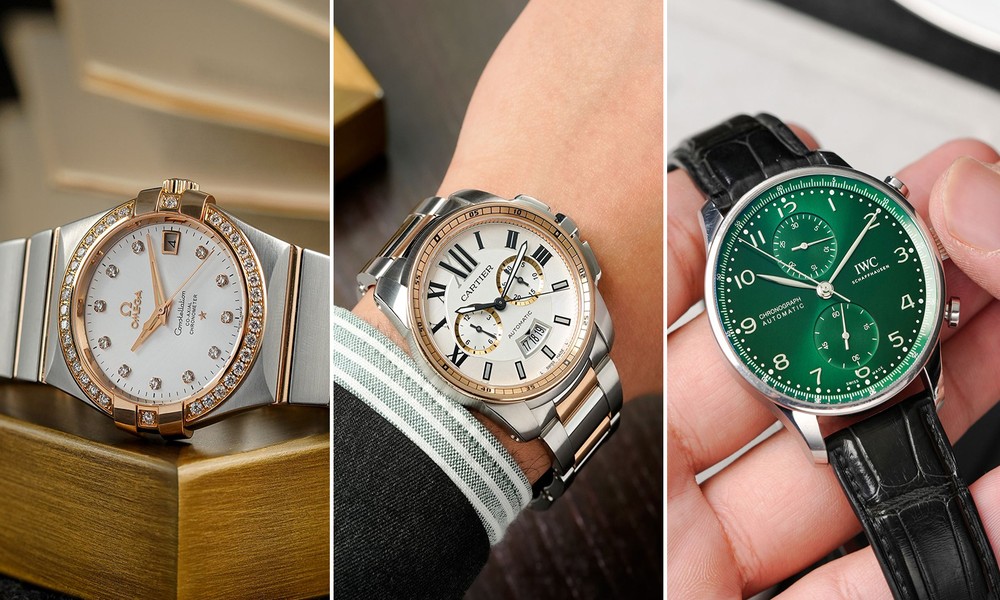
Change occurs swiftly in the luxury watch industry. At one point, an elegant watch sits unnoticed inside a dealer’s case. Years later, the same timepiece is out of stock and sells for two to three times its previous price. To those outside of the watch-collecting community, such trends might seem unpredictable. In reality, however, expert collectors almost always have some idea of what is coming before others do. This is largely because high-end collectors do not collect watches like the rest of the population. As most people pursue popular items driven by social media, dedicated collectors search for hidden gems just below the surface. No matter whether building a watch collection or eventually wanting to sell Rolex NYC, a different perspective will forever alter how anyone approaches watches.
The interesting part is that finding undervalued watches rarely comes down to luck. It’s usually the result of patience, research, timing, and a better understanding of collector behavior than the average buyer. And that’s what makes the watch market so fascinating in the first place.
Studying Historical Patterns Instead of Following Market Hype
One thing elite collectors do exceptionally well is ignore noise. When a watch explodes in popularity online, most casual buyers rush in because they’re afraid of missing out. Prices climb fast, demand spikes, and suddenly everyone wants the same model. Experienced collectors usually step back during moments like this rather than joining the frenzy.
They focus on long-term patterns rather than short-term excitement. Luxury watch trends move in cycles. Models that feel “popular” now might not be as relevant in a few years, while watches nobody cared about before can suddenly become collector favorites. This has happened over and over again with vintage Rolex, Patek Philippe, Omega, and Audemars Piguet models.
A great example is smaller watch sizes. Years ago, oversized watches dominated the market. Now, many collectors are going back to classic shapes and vintage-style designs. Watches that once looked outdated are suddenly becoming desirable again simply because tastes have changed.
Elite collectors pay attention to those shifts early. Instead of asking, “What’s popular right now?” they ask questions like:
- Which models are quietly gaining collector interest?
- What references were produced in small numbers?
- Which watches represent an important design era?
- Are certain features becoming harder to find?
Hidden value is what typically emerges at that point. Historical research is an important part of this process.
Serious collectors take the time to look through:
- Auction records
- Brand catalogs from the past
- Production timelines
- Collector forums
- Pricing history
- Discontinued mentions
It seems extreme, but eventually the small details will start showing up in patterns. For example, many valuable Rolexes and Patek Philippe watches remained affordable for several years until their prices skyrocketed. The early collectors knew all the little things that others didn’t notice, such as peculiar dial colors, transitional models, discontinued calibers, or even reduced production figures.
Another factor that experienced collectors know about is timing. They rarely panic-buy during hype cycles. Instead, they wait for opportunities where solid watches are temporarily overlooked. In many ways, collecting undervalued watches feels a little like investing in neighborhoods before they become trendy. The value is already there; most people just haven’t noticed yet.
Condition matters more than most people realize at first. An all-original, unrestored timepiece that is just used normally will almost always function better than an extensively polished or restored model in the long run. The importance placed on originality is what makes collectors stand out from the rest.
Understanding Scarcity, Brand Strategy, and Market Psychology
A lot of people assume scarcity simply means “limited edition,” but the watch world is much more complicated than that. Some limited-edition watches are produced in fairly large quantities and never become especially collectible. Meanwhile, certain regular-production watches become extremely valuable because very few clean examples survive over time. Elite collectors understand that true scarcity is often hidden beneath the surface. What they examine includes:
- Small-scale productions
- Rare dial types
- References
- Region-specific pieces
- Materials that have been discontinued
- Movements that have been modified
- Production alterations in factories
In certain cases, the slightest of differences can determine the future value of a watch. For instance, a particular dial type that was made for only one to two years and later became very popular, just because people did not pay much attention to it at the time.
That’s why experienced buyers spend so much time learning production history. Luxury watch brands also influence demand very strategically. Brands carefully manage supply, waiting lists, model discontinuations, and marketing exposure to shape market perception. Elite collectors watch these moves closely because they often hint at future opportunities.
If a brand quietly discontinues a model without much publicity, knowledgeable collectors may start buying pieces before the wider market notices. This happens more often than people think. Sometimes, the watches with the strongest long-term potential are the ones overshadowed by more famous models. Everyone chases the headline piece while quieter references remain undervalued for years. Market psychology plays a huge role, too.
Social media has dramatically changed the watch industry. A celebrity wearing a certain watch or a viral video can instantly increase demand. Suddenly, prices jump because people feel pressured to buy before values rise even higher. But hype doesn’t always last. Experienced collectors try to separate genuine collector demand from temporary excitement. They focus on watches with lasting historical relevance instead of chasing every trend online.
They typically ask questions like:
- Does this model have long-term collector appeal?
- Is demand growing naturally?
- Does the watch represent an important period for the brand?
- Will people still care about this model ten years from now?
Those questions help filter out short-term speculation. This becomes especially important for people thinking about future resale value, including collectors who may eventually want to sell patek philippe watch nyc in competitive markets where buyers pay close attention to rarity and originality. Collectors who focus on basics usually make steadier choices than those driven by hype or emotion.
Building Relationships and Knowing When the Market Is Quiet
One thing many new collectors underestimate is how relationship-driven the luxury watch world really is. Elite collectors rarely rely only on public listings or large online marketplaces. Instead, they build relationships with trusted dealers, independent watchmakers, auction specialists, collectors, and restorers.
Those connections often provide access to opportunities long before the public ever sees them. In fact, many exceptional watches never hit public marketplaces at all. They trade privately between collectors who trust each other and share information within small circles.
Networking matters because insider knowledge matters. A trusted dealer might mention an estate collection becoming available. A watchmaker may know which models collectors are quietly looking for. Auction specialists often notice early trends before they become mainstream. Over time, these relationships create a major advantage.
Many wealthy collectors carefully choose the right moment to buy. Regular buyers only get involved when prices rise, and luxury watches make headlines. However, experienced collectors typically take a different path. They search for good deals in times when things are slow.
Market drops can actually create good buying opportunities. For example, after major price surges, some models temporarily lose momentum because flippers rush to sell. Serious collectors often use these periods to acquire strong pieces at more reasonable prices. Patience becomes incredibly valuable during these moments.
Economic uncertainty can create opportunities, too. During slower financial periods, some owners sell collectible watches quickly to raise cash. Buyers with patience and liquidity may find high-quality watches at prices that would have been impossible during stronger market conditions.
Condition checks become especially important when searching for undervalued pieces. Experienced collectors inspect details such as:
- Case shape and sharpness
- Original factory finishing
- Dial aging consistency
- Movement condition
- Bracelet stretch
- Service records
- Replacement components
Sometimes, a watch that has great originality can actually be superior to others that seem more perfect but do not possess the same level of originality. This is in addition to the liquidity factor, something that new players in the game often ignore. For the best collectors, there are always demands for watches with strong collectibility.
That becomes particularly important for people searching for the best place to sell Rolex or other collectible watches later on. Strong collector demand usually leads to healthier resale markets and more competitive offers.
The other practice that high-end collectors follow includes disciplined purchases. The fact that they look at watches as being inexpensive does not mean they will buy just because. Rather, quality, uniqueness, rarity, and long-term appeal are important. It can be smart to step back sometimes, knowing a better time will come. This can prove challenging in a world driven by exclusivity and hype.
Conclusion
Elite collectors spot undervalued watches because they approach the market differently from everyone else. Instead of chasing trends or reacting emotionally to hype, they focus on research, timing, patience, and long-term value. They study historical patterns, production details, collector psychology, and changing market preferences to identify opportunities before prices rise. More importantly, they understand that true collectibility usually comes from originality, rarity, historical importance, and steady demand, not temporary internet hype.
Relationships also give experienced collectors a huge advantage. Trusted dealers, auction experts, and private collector networks often reveal opportunities that casual buyers never even hear about. At the same time, elite buyers know how to stay patient during market swings. They understand that quieter periods often create the best buying opportunities, especially when others are distracted by short-term hype.
In the end, successful watch collecting is less about luck and more about knowledge. The people who consistently spot hidden value are usually the ones willing to study the market carefully, think long term, and avoid emotional decisions. And in a market where trends change constantly, that mindset can make all the difference.