
Integrated healthcare systems aim to make patient care simpler. They link primary care providers with other healthcare workers easily. This allows patients to get full care without having to repeat services or wait too long. By encouraging teamwork among various healthcare teams, these systems help patients feel better, perform better, and save money.
There are different types of integrated healthcare delivery models. These include:
- Health Maintenance Organizations (HMOs)
- Accountable Care Organizations (ACOs)
- Patient-Cantered Medical Homes (PCMHs)
These models aim to improve care, manage long-term health issues, and promote preventive care. They depend on teamwork among healthcare workers and use shared health records. This ensures that patients get complete and continuous care.
Finding the right mix of public and private healthcare services.
Both public and private sectors play a key role in healthcare. Public healthcare receives funds from the government. Its goal is to ensure that everyone can access healthcare. These services mainly address basic health needs. This covers vaccines, emergency assistance, and treatment for common illnesses. Public healthcare is especially important in low-income areas. In these places, people often struggle to get private care.
To create a good healthcare system, we need clear rules and plans. These should help all parts to work together. This way, each part can help the others. It will make care better and easier for everyone.
Role of Technology in Modern Healthcare Delivery
Technology is becoming more important in healthcare today. It helps keep medical records safe and allows people to have doctor visits from home. This use of technology makes healthcare work better, is more reliable, and is easier to access.
- Electronic Health Records (EHRs): EHRs make it easy for doctors to share patient information. This helps to avoid repeated tests, lowers mistakes, and supports good care.
- Telemedicine: Telemedicine changes how patients get healthcare, especially in far places. It offers live chats, check-ups, and monitoring using digital tools.
- Artificial Intelligence (AI) and Machine Learning: AI and machine learning help us see how patients feel. They help create personal treatment plans and make office tasks easier. These tools help make better decisions and improve patient care while reducing the work for healthcare workers.
- Wearable Devices: Wearable health devices let doctors track patients’ vital signs all the time. They give quick data, which helps find health problems early.
As we use new tools in healthcare, we need to deal with issues like data privacy and security. It is important to keep patient information safe. We also want to make care better. This is very important.
Physical Infrastructure and Design
Essential Components of Healthcare Facility Layout
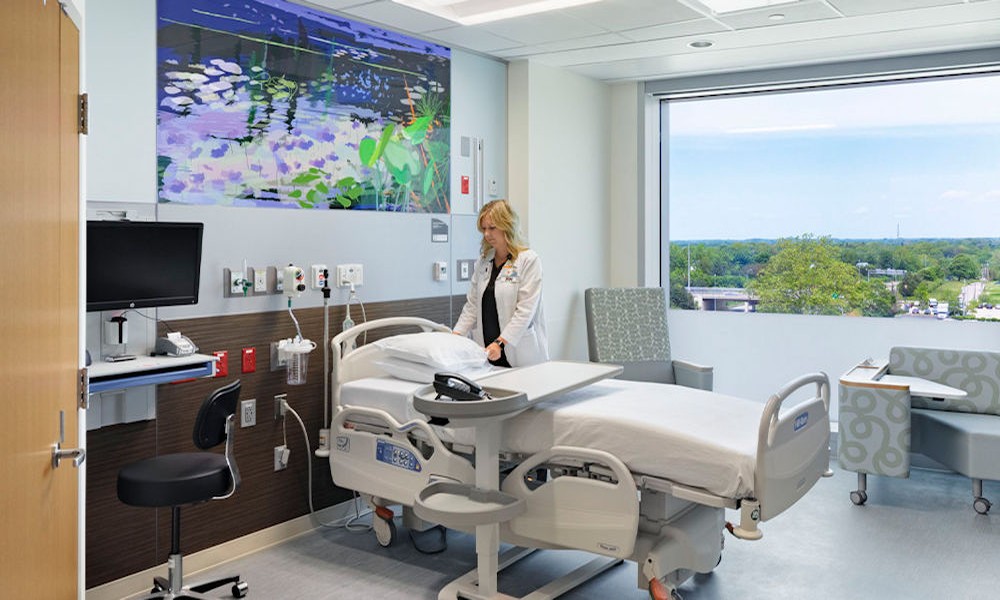
Good healthcare begins with a good building. A healthcare place must be simple to use and feel welcoming for patients and staff. Here are some important features:
- Patient Care Areas: It’s important to have clear spaces for patients in the hospital and those who come for services. This helps meet their different needs.
- Nursing Stations: Nursing stations should be in the centre. This makes it easier to watch patients and share information quickly. A quick response to patient needs is key.
- Specialised Treatment Areas: We need special places for specific medical needs. This includes operating rooms, radiology departments, and care units.
- Support Spaces: Important support areas like storage rooms, staff lounges, and offices should be easy to use and reach.
- Public Areas: Waiting rooms, reception areas, and hallways should feel welcoming and comfortable. They also need to allow easy movement.
Importance of Study Pods and Educational Spaces
Healthcare facilities need to help medical workers learn. Study pods and learning areas are important in modern healthcare. These spaces offer chances for:
- Continuing Education: Doctors and nurses can learn about new medical tools and advances.
- Training Sessions: Staff can take part in training to learn new processes and protocols.
- Research: Research centres improve medical care. They also develop new treatments and therapies.
Nursing Stations: The Hub of Patient Care
Modern nursing stations are made to be helpful and caring. They use smart setups to enhance patient care. A well-designed nursing station allows nurses to work together smoothly. It enables them to share patient information quickly. A good design also creates a comfy space for nurses and patients. A strong nursing station promotes teamwork and boosts safety. Overall, the appearance and function of a nursing station matter for a better healthcare experience.
Modern nursing stations are important in healthcare facilities. They have design features that help staff do their work, support patient care, and enhance communication among healthcare teams. The design of these stations often focuses on making things easy to use, ensuring clear visibility, and being close to patient rooms.
Specialised Treatment Areas and Their Requirements
To give good care, healthcare places usually have special areas for different medical needs. These areas can include:
- Emergency Departments: These need quick access to care resources. There should be enough space to check on patients and give immediate help.
- Care Units (ICUs): ICUs need good monitoring tools and life-saving equipment. They also need fast ways to reach skilled medical teams.
- Operating Rooms: These must follow strict cleaning rules. They need modern surgical tools and bright lights for careful procedures.
- Isolation Rooms: Isolation rooms are needed for patients who have certain medical conditions or infections.
- Maternity Wards: These should feel comfortable for mothers. They must have safe and clean conditions for giving birth and caring for babies.
Each area needs to have clear rules. These rules are about safety, how to reach things, and which special tools to use. This helps ensure that patients receive the right care in a safe place.
Training and Guidelines for Healthcare Workers
Infection management improves when healthcare workers get regular education and training. Ongoing training sessions are essential. They should teach the latest practices, new rules, and why infection management steps are needed. This training must include:
- Simulation Exercises: This practice readies everyone for quick actions during outbreaks. It also shows the best way to use PPE.
- Periodic Evaluations: These are random checks of staff actions. They give feedback to make sure everyone follows the rules.
- Updated Protocols: Staff learn about changes in infection rules. This helps them stay updated on the latest standards.
- Competency Training: All healthcare workers must prove their skills in infection practices. This can include formal training or skills testing.
Giving healthcare workers the right skills and knowledge helps infection rules work well. This training is important for keeping patients and staff safe in healthcare settings.
As healthcare gets better with new tools and patient needs, it is important to find good ways to prevent infections. It is also necessary to keep training healthcare workers. This will help them give safe and quality care.
Healthcare Education and Training
Continuous Professional Development Programs
Healthcare workers should take part in regular training to improve their skills and learn effective methods. CPD programs offer planned learning while they work. These programs help them stay current with new trends and concepts. They often include:
- Required Training: We have regular meetings about important topics. These topics include infection safety, patient care, and privacy.
- Focused Workshops: This training targets new tools, updated rules, or specific areas of healthcare.
- Certifications and Higher Degrees: We help staff to get more education and special certificates. This support can really enhance the care they provide.
CPD programs matter because tools and healthcare change fast. Ongoing learning helps healthcare workers be ready to provide good care in this changing world.
Bringing schools into health care spaces.
Bringing schools and healthcare together helps connect learning and practice. This means healthcare workers can use their new skills and knowledge in real-life situations. Important areas to support education in healthcare include:
- Study Pods and Classrooms: These are special areas for lectures, group talks, and studying. They help create a good place to learn.
- On-site Libraries: Here, you can find the newest medical journals, books, and online resources. They help you in learning and research.
- Dedicated Training Centres: These centres provide great tools and give hands-on practice in a safe space. They help healthcare workers get better at their job.
The new facilities help people learn more effectively. They make sure that healthcare workers are ready for the challenges of today.
Healthcare education and training are essential for providing good care to patients. It is important to support continuous development. One way to achieve this is by making training centres in healthcare places. Practicing and using simulations can help too. These methods allow healthcare groups to give their staff the skills and knowledge they need as healthcare changes.