
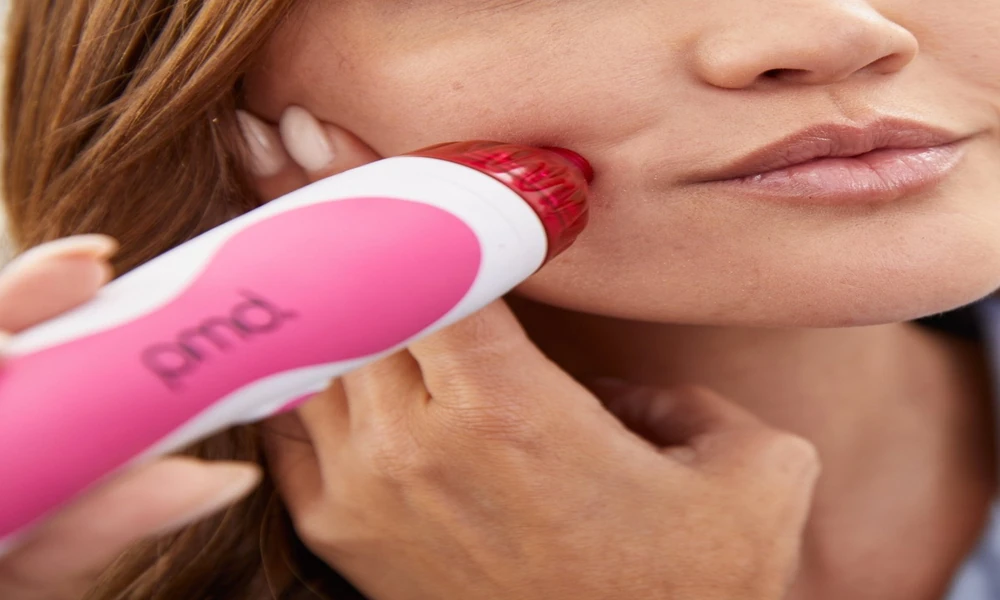
Healthy-looking skin is often the result of consistent care rather than an extensive collection of beauty products. Cleansing, moisturizing, and protecting the skin from sun exposure are important parts of a daily routine. However, dead skin cells can accumulate on the surface, sometimes making the complexion appear dull or uneven. This is where exfoliation can become a useful part of skincare.
Microdermabrasion is one approach to physical exfoliation. Traditionally performed in professional settings, the treatment is also available through devices designed for home use. Understanding how these tools work, who may benefit from them, and how to use them responsibly can help people make more informed skincare decisions.
What Is Microdermabrasion?
Microdermabrasion is a cosmetic exfoliation procedure that removes some of the outermost dead skin cells. Professional treatments generally use a specialized handheld device to exfoliate the skin’s surface. The process may help improve the appearance of dullness, uneven texture, and certain visible signs of aging.
At-home microdermabrasion devices are designed to bring a version of this exfoliation process into a personal skincare routine. However, they should not automatically be considered equivalent to professional treatments. Device strength, technique, and individual skin conditions can all affect the experience.
The American Academy of Dermatology explains that microdermabrasion is a non-invasive procedure that may help improve the appearance of uneven skin tone and texture. Results can vary, and multiple professional treatments may be recommended depending on individual goals.
How At-Home Microdermabrasion Devices Work
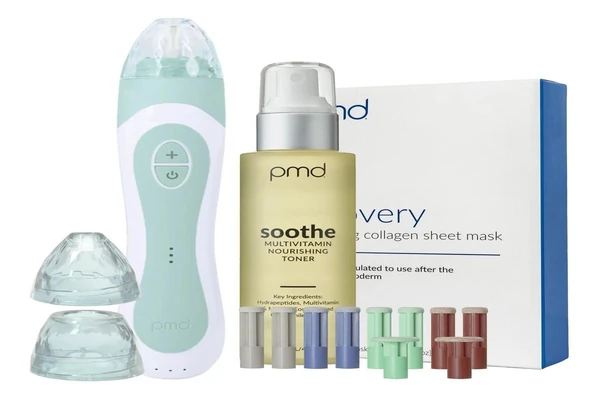
At-home devices use different technologies to exfoliate the skin. Some models combine a rotating or textured exfoliating surface with suction. The exfoliating component helps remove dead surface cells, while suction is designed to lift away loosened debris during the treatment.
For example, a dermabrasion tool from PMD Beauty combines spinning disc technology with vacuum suction. The brand describes its Personal Microderm device as a home-use option intended to exfoliate the skin’s outer surface. It is important to follow the manufacturer’s instructions rather than assuming that every device uses the same settings or treatment schedule.
These devices are not ordinary cleansing brushes. A cleansing brush is generally used to help remove everyday dirt, oil, and makeup residue. Microdermabrasion devices, on the other hand, are intended for periodic exfoliation. Using both without considering the skin’s tolerance may lead to unnecessary irritation.
Potential Benefits of Regular Exfoliation
Exfoliation can help remove accumulated dead skin cells from the surface. When the method is appropriate for a person’s skin type, it may contribute to a smoother-looking complexion and help reduce the appearance of surface dullness.
Some people explore microdermabrasion because they want to address concerns such as:
- Rough or uneven-looking skin texture.
- A dull complexion caused by surface buildup.
- The appearance of certain dark spots.
- Visible fine lines associated with aging.
- Skin that does not look as smooth as they would like.
These are cosmetic concerns, and results are not guaranteed. Microdermabrasion does not treat every cause of discoloration, acne, or skin texture changes. Persistent concerns may require a professional assessment to identify the most appropriate treatment.
Another reason people consider exfoliation is its place within a broader skincare routine. Removing surface buildup may help skincare products spread more evenly, but it does not mean that every serum or moisturizer will work better for every individual.
Choosing the Right Device for Your Skin
Selecting an at-home exfoliation device should involve more than comparing its appearance or advertised features. Consider your skin’s sensitivity, current skincare products, and previous reactions to exfoliation before choosing a device.
A few practical factors can help guide the decision:
- Adjustable treatment options: Different skin types may respond differently to exfoliation. A device with suitable attachments or settings can offer more flexibility, provided they are used according to the instructions.
- Ease of handling: A comfortable grip and manageable design can make it easier to follow the recommended technique.
- Clear instructions: Look for a product that explains preparation, movement, cleaning, and treatment frequency.
- Maintenance requirements: Reusable devices need appropriate cleaning and storage to remain in good condition.
- Manufacturer support: Product guidance, replacement accessories, and warranty information can help buyers understand what to expect.
Avoid choosing a device simply because it promises dramatic results. A suitable skincare tool should fit your needs and be easy to use responsibly.
Preparing Your Skin Before Treatment
Preparation is an important part of any exfoliation routine. Begin by reviewing the device instructions and checking whether the product is appropriate for your skin type. If you have a history of irritation, active skin concerns, or uncertainty about using mechanical exfoliation, consult a qualified dermatologist first.
Before using a home device, consider these preparation steps:
- Remove makeup, sunscreen, and everyday impurities with a gentle cleanser.
- Dry the skin completely if the device instructions require dry skin.
- Read the manufacturer’s guidance about suitable attachments and settings.
- Test the device on a less visible area if the instructions recommend doing so.
- Avoid applying unnecessary pressure or repeatedly treating the same area.
Never use an exfoliation device on broken, sunburned, or irritated skin. If a treatment causes significant discomfort, stop rather than trying to push through the irritation.
How Often Should You Exfoliate?
There is no single exfoliation schedule that works for everyone. Frequency depends on the device, its intensity, the user’s skin type, and the rest of their skincare routine.
Some at-home microdermabrasion products are designed for weekly use, but the manufacturer’s directions should always take priority. Using a device more frequently than recommended does not necessarily improve results. In fact, excessive exfoliation can damage the skin barrier and contribute to redness, dryness, sensitivity, and irritation.
It is also important to consider other products in your routine. Retinol, prescription retinoids, benzoyl peroxide, and certain exfoliating acids can increase skin sensitivity. Combining these products with mechanical exfoliation without appropriate guidance may make irritation more likely.
The American Academy of Dermatology provides additional advice in its guide on how to safely exfoliate at home.
Aftercare: Supporting Your Skin
Post-treatment care should focus on keeping the skin comfortable and protected. A simple routine is often more appropriate immediately after exfoliation than introducing several active skincare ingredients.
Consider the following habits after a treatment:
- Apply a gentle moisturizer to support hydration.
- Use broad-spectrum sunscreen during the day.
- Avoid harsh scrubs or additional exfoliating products until the skin has recovered.
- Pay attention to redness, burning, unusual sensitivity, or prolonged irritation.
- Follow the device manufacturer’s recommendations for cleaning and storage.
Sun protection is particularly important because exfoliation can leave skin more sensitive. Daily sunscreen helps protect against ultraviolet exposure, which contributes to premature skin aging and pigmentation changes.
If irritation persists or the skin develops an unexpected reaction, discontinue use and seek advice from a dermatologist.
At-Home Devices and Professional Skin Treatments
Home skincare devices can be convenient for people who prefer to manage certain aspects of their routine themselves. However, they are not a replacement for professional diagnosis or every cosmetic procedure.
Professional treatments may be more appropriate for people with persistent pigmentation, significant acne scarring, changing skin lesions, or other concerns that need individual evaluation. A dermatologist can assess the skin and explain whether microdermabrasion or another approach is suitable.
People researching broader cosmetic options may also find it helpful to understand different non-surgical facial rejuvenation options. These procedures serve different purposes, and choosing between them should depend on personal concerns and professional advice.
The American Academy of Dermatology also recommends consulting a dermatologist before microdermabrasion in certain situations, including when taking or having recently taken isotretinoin. Its microdermabrasion FAQ explains potential side effects and other important considerations.
Building a Balanced Skincare Routine
Microdermabrasion should be viewed as an occasional addition rather than the foundation of skincare. Daily cleansing, moisturizing, and sun protection remain essential habits. A routine that is too complicated or aggressive can make it harder to identify which products are helping and which may be causing irritation.
Start with the basics and introduce new treatments gradually. Pay attention to how your skin responds over time instead of expecting an immediate transformation. If a product or device causes repeated discomfort, reconsider whether it is suitable for your needs.
Consistency, realistic expectations, and appropriate product selection are more useful than following every new beauty trend. With careful use and sensible aftercare, at-home exfoliation may be one option for people looking to improve the appearance of skin texture while maintaining a manageable skincare routine.
Final Thoughts
At-home microdermabrasion offers a convenient way to explore periodic physical exfoliation, but choosing the right device and using it correctly are essential. Understanding your skin type, following product instructions, avoiding overuse, and protecting your skin afterward can help reduce unnecessary irritation.
Most importantly, remember that skincare is personal. A method that works comfortably for one person may not be appropriate for another. When in doubt, professional guidance can help you choose an approach that supports your skin’s individual needs.